
IB® EDUCATION graduation cap icon

IB® EDUCATION:
Support & Resources for New Teachers and School Leaders

A Practical guide to navigate the IB® Framework

The IB® education system is one of the most rigorous and internationally recognised frameworks within the broader international education landscape. Successfully navigating its complexities and intertwined structure requires more than just compliance; it demands a whole-school programme vision, awareness of the most common pitfalls, and the ability to effectively plan and implement a sustainable teaching & learning journey that leads to academic excellence.

This section brings together key resources for IB® programme compliance and strategic tools towards a higher level: effectiveness.

From my direct experience as a school head and consultant across multiple IB® programmes and contexts, I share them openly, as I believe the value of knowledge lies in its unconditional transfer. And if a school needs more tailored support, I'm here for that too.

Whether your school is exploring becoming an IB® school, approaching the Evaluation or deepening implementation of the PYP, MYP, and DP, success depends on meticulous and wise planning and a clear vision. As a matter of fact, if the school’s success also passes through the students’ academic achievements and the IB® milestones, it is a corollary that when schools fail to meet any of the assigned objectives, their practices become the first suspect to be analyzed.

International Baccalaureate®: where schools commonly struggle most 

Based on my experience in different settings, the following are the toughest areas schools face:

  1. Authentic inquiry
  2. Consistent assessment practices
  3. Programme transitions
  4. Embedding ATL meaningfully
  5. Maintaining philosophical coherence across staff

Ultimately, the IB® is not difficult because it is complex; it is different and demands schools to:


  • Appoint experienced senior leadership
  • Invest heavily in professional learning
  • Build shared language
  • Prioritize collaboration time
  • Accept that implementation takes years, not months

From compliance to effectiveness: the tools

​Both tools’ categories are key, but they may serve the school better depending on its development stage.

Compliancethe must-haves

Effectivenessthe level ups

    This section will be regularly updated; topic development suggestions are welcome!

    Ready to move forward? I work with school leaders at every stage of the IB® process, from feasibility studies to daily enhancements.

    Ready to move forward?

    I work with school leaders at every stage of the IB® process, from feasibility studies to daily enhancements.

    What stage is your school in the IB® journey?

    Whether you are a board member exploring becoming an IB® World School or looking to strengthen your current practices, I can help you navigate the process with a tailored development plan.

    Book a free 30-minute consultation to discuss your school's context, goals, and the most effective path towards IB® excellence.

    FAQ – Understanding IB® Education and My Support Role

    What is the IB® education system and how does it differ from national curricula?

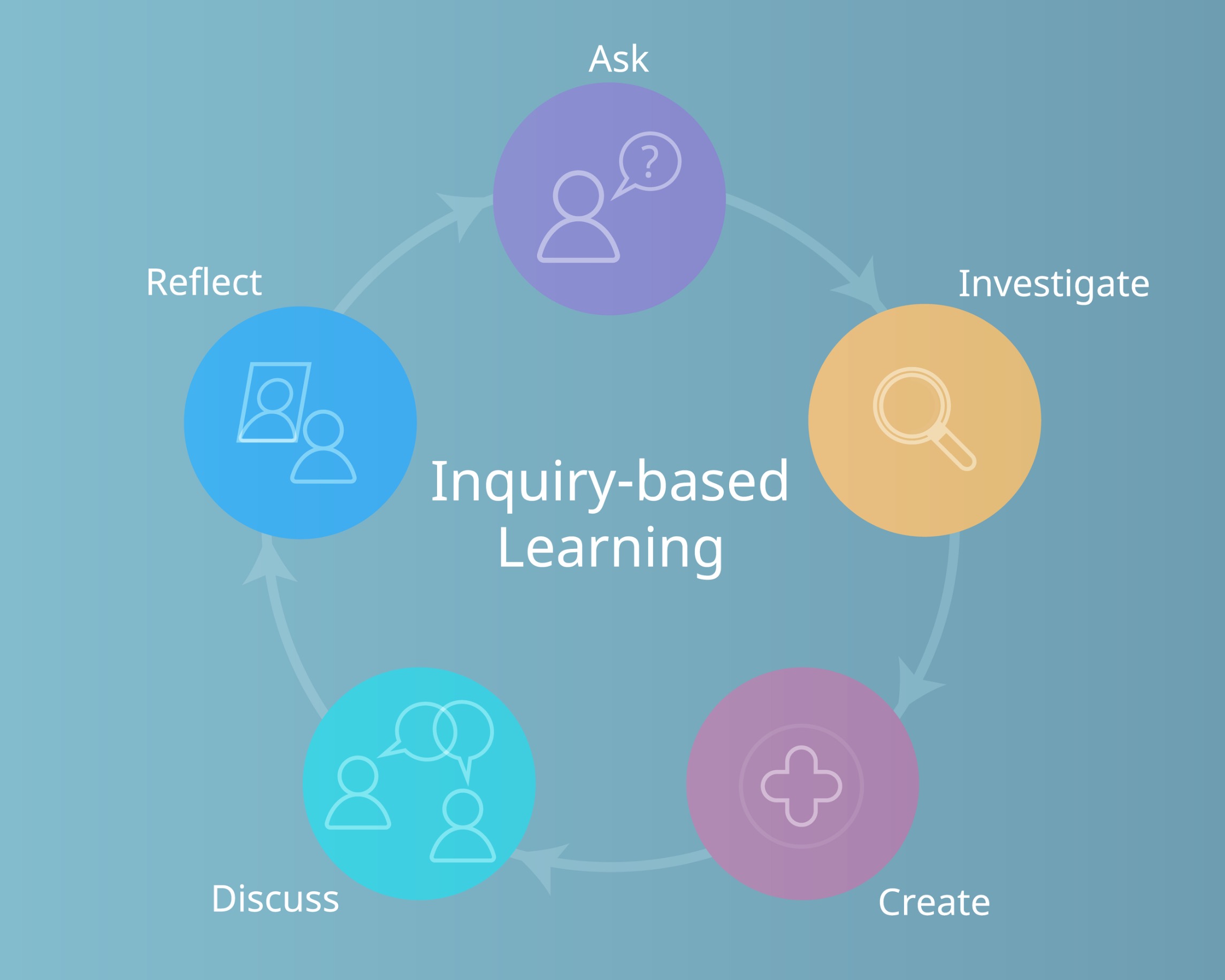
    The International Baccalaureate® (IB) is a globally recognised educational framework offering four programmes: PYP, MYP, DP, and CP, forming a continuum from ages 3 to 19 - the IB continuum. Unlike many national curricula, which may focus primarily on content coverage, the IB emphasises inquiry-based learning, international-mindedness, conceptual understanding, meaningful assessment, and transferable skills, known as Approaches to Learning (ATL). Schools must apply for authorisation from the IB and meet ongoing standards to become and remain authorised IB World Schools.

    How does implementing the IB® system benefit my school’s growth and reputation?

    Implementing the International Baccalaureate® is a strategic investment that can elevate a school’s international profile, strengthen teaching and learning, and attract families seeking a rigorous, globally minded education. Beyond enrolment growth, the IB framework fosters professional collaboration, curriculum coherence, and a structured roadmap for continuous school improvement.

    How long does the IB® school authorisation process take?

    Most schools plan for a 2–4 year journey, depending on their starting point, leadership capacity, staff readiness, and programme choice. The process typically includes a feasibility study, professional development, documentation, an action plan, curriculum alignment, and preparation for verification.

    Working beforehand with an independent IB® education consultant can help reduce delays, streamline documentation, clarify priorities, and support the school in meeting expectations more confidently. With targeted preparation, some schools that I supported completed a successful authorisation process in under two years.

    What is an International Baccalaureate® school, and why do Standards and Practices matter?

    An IB World School is an institution authorised by the IB to deliver one or more IB programmes. To maintain this status, schools must align with the IB Programme Standards and Practices, which define expectations for purpose, environment, culture, learning, teaching, and assessment.

    These standards matter because they are not just compliance documents: they guide strategic planning, leadership decisions, curriculum development, professional learning, and long-term programme sustainability.

    Can a school implement the IB® without external consulting support?

    Yes. Schools can work directly through the IB authorisation process. However, the process is demanding, and schools often underestimate the cultural, pedagogical, organisational, and documentation shifts required.

    An independent consultant can provide a clear roadmap, identify gaps early, identify and support leadership teams, guide teacher preparation, and help ensure that implementation is not only compliant but sustainable and meaningful for the whole school community.

    At what stage should a school seek support?

    The earlier, the better. Support is especially valuable during the feasibility stage, before submitting applications, when designing the action plan, preparing documentation, training staff, or reviewing readiness before evaluation or verification. Early guidance can prevent costly delays and misalignment.

    Why work with an independent IB® education consultant?

    An independent consultant offers an external, objective perspective. My role is to help schools identify priorities and challenges linked to the context, avoid common pitfalls, and translate IB expectations into practical, school-specific actions. I do not replace the IB authorisation process, nor the IB official consultant; I support school leaders in preparing for it with clarity, coherence, and confidence.

    At what stage should a school seek support?

    The earlier, the better. Support is especially valuable during the feasibility stage, before submitting applications, when designing the action plan, preparing documentation, training staff, or reviewing readiness before evaluation or verification. Early guidance can prevent costly delays and misalignment.

    Do you already support authorised IB® schools?

    Yes. My work is not limited to candidate schools. I also support authorised IB World Schools seeking to improve implementation, strengthen ATL integration, prepare for programme evaluation, improve curriculum mapping, support new coordinators, or move from basic compliance to genuine programme effectiveness.

    Is your support officially connected to the IB?

    No. My support is independent and not endorsed by the International Baccalaureate Organization®. This independence allows me to work directly in the school’s interest, offering tailored strategic and pedagogical guidance while respecting IB requirements and trademarks.


    If you’ve found my work useful, you can support it by buying me a coffee

    -if you wish.

    Thank you

    IB® Disclaimer: This work/product/service has been developed independently and not endorsed by the International Baccalaureate Organization®. International Baccalaureate® and IB® are registered trademarks of the International Baccalaureate Organization®.