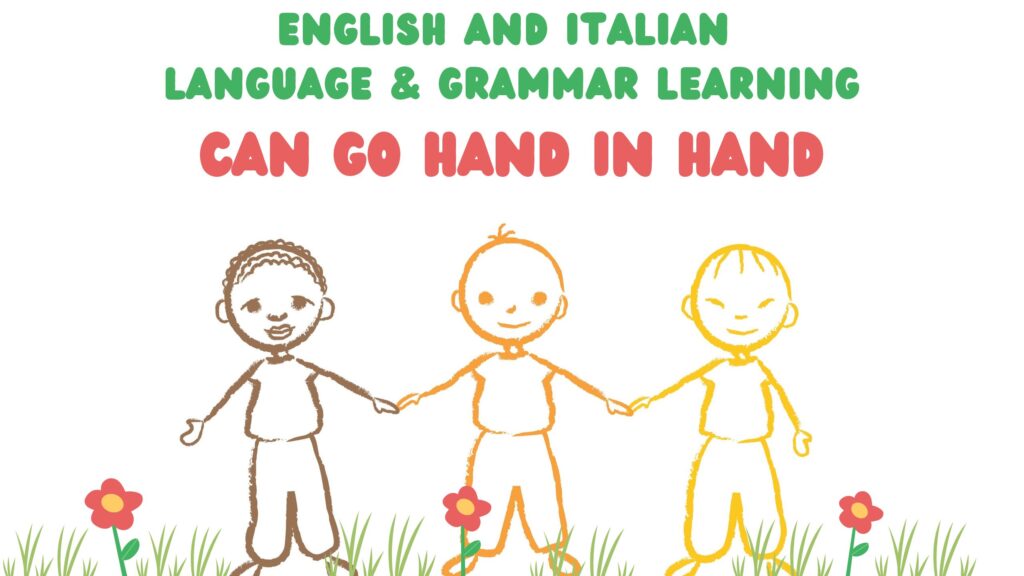
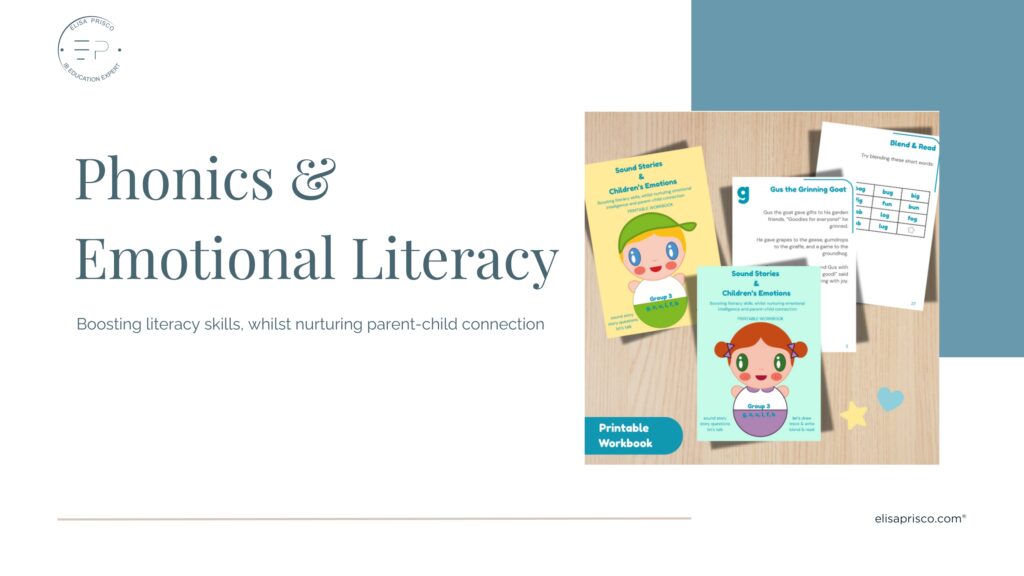
Language learning is one of the most transformative experiences in education, as it shapes communication, identity, confidence, and access to knowledge. In bilingual and international contexts, effective literacy instruction becomes even more essential, requiring structured, engaging, and evidence-based approaches that support learners with different linguistic backgrounds and developmental needs.
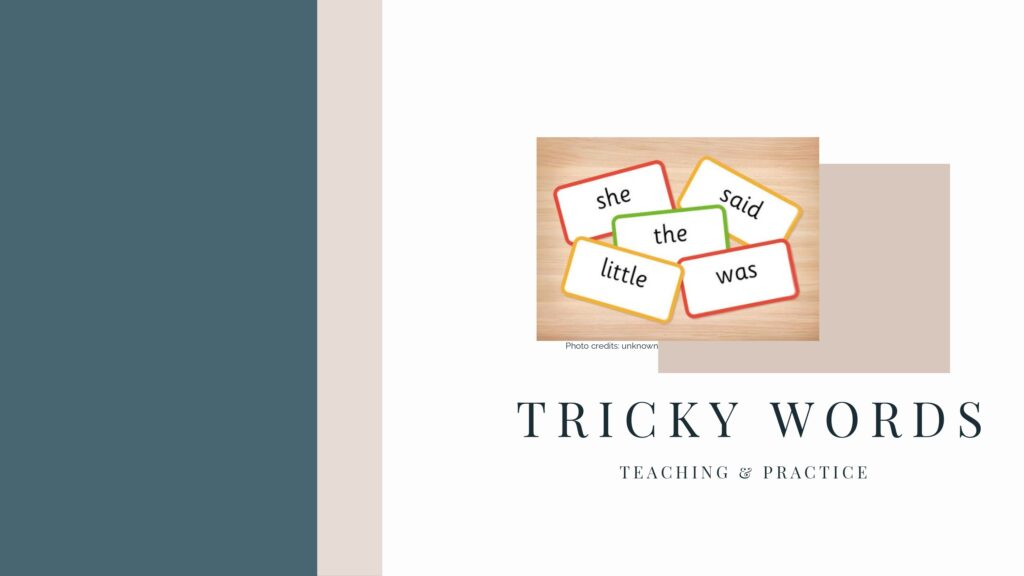
Phonics and grammar instruction provide the foundations upon which reading, writing, speaking, and comprehension progressively develop. When taught systematically and meaningfully, they enable children to become confident communicators while fostering independence, curiosity, and a lifelong appreciation for language.