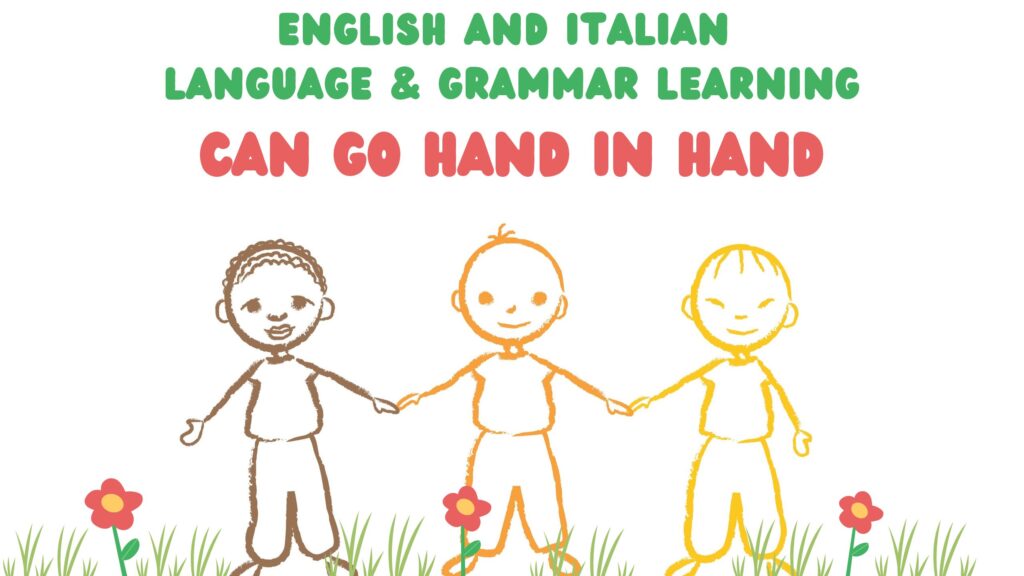
Aligning English and Italian Literacy: The Story Behind a Pilot Project
An English-Italian Cross-Linguistic Framework Every educational project begins with a question. Mine began in bilingual classrooms, where I often found myself observing children move naturally between English and Italian, making connections that were rarely…
Why Every IB® Continuum School Needs a Whole School Scope & Sequence
Building Coherence Across the PYP, MYP, and DP In a truly connected IB® World School, learning should never feel or look fragmented. Students should not experience the Primary Years Programme, Middle Years Programme, and Diploma Programme as separate educational…
IB® Approaches to Learning (ATL): a Whole-School Strategic Framework
The quality of learning is determined not only by what is taught, but by how deliberately skills are developed. In the IB® framework, Approaches to Learning are not an add-on to the curriculum; they are the connective tissue that runs through the entire IB® Continuum,…
IB® Learning Journey: excellence through a coherent continuum
The IB® learning journey is not a series of isolated academic stages; it is a deliberate and cohesive International Baccalaureate programme designed to evolve with the learner. To truly unlock the potential of the IB® education system, schools must move beyond seeing…
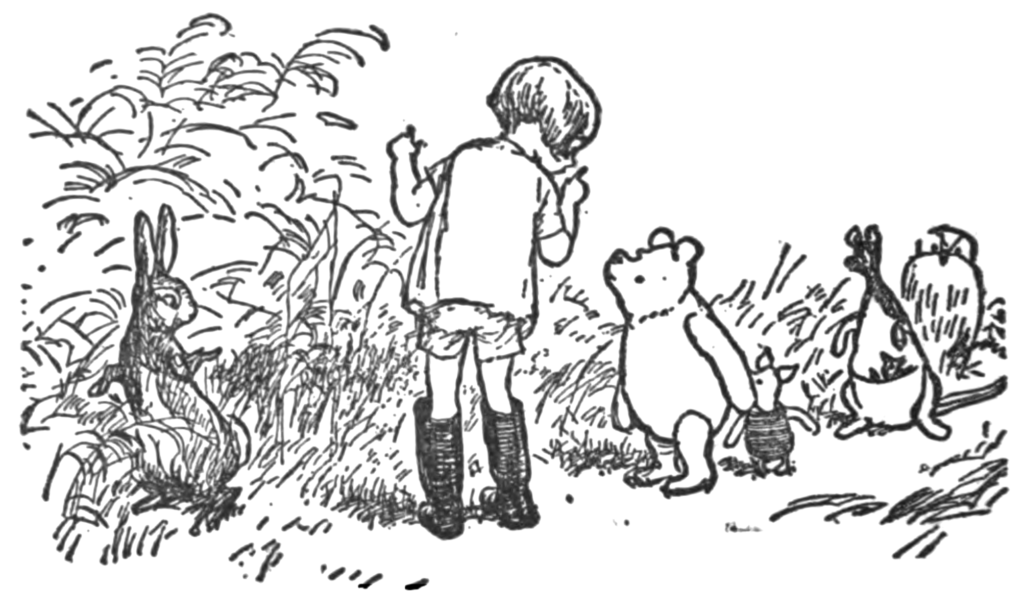
What Winnie the Pooh Can Teach Us About Belonging, Systemic Pedagogy, and the School Environment
There are quotes that stay with us for years, quietly accompanying our inner life until one day they reveal a deeper meaning. One of them, for me, comes from the world of Winnie-the-Pooh: “No one is left behind.” I first encountered this sentence when my daughter was…
From Cultural Dissonance to Shared Humanity_part 1
This presentation, delivered at the Alliance for International Education Global Conference in September 2025, explores how schools can respond to cultural dissonance, polarisation, and conflict by grounding education in peace-building, international mindedness, and…
Restorative Practices: a guideline for educators
Grounded in both research and classroom practice, this guide – Restorative Practices Guideline – outlines key principles, conceptual frameworks, and everyday strategies to support a shift from control-based discipline to relational, responsibility-centred…

Peace Education & Restorative Practices in Schools
Overview – Why Peace Education & Restorative Practices Matter Today Today, Peace Education and Restorative Practices are more urgent than ever as we live through an unprecedented convergence of global crises: social, environmental, political, and technological….
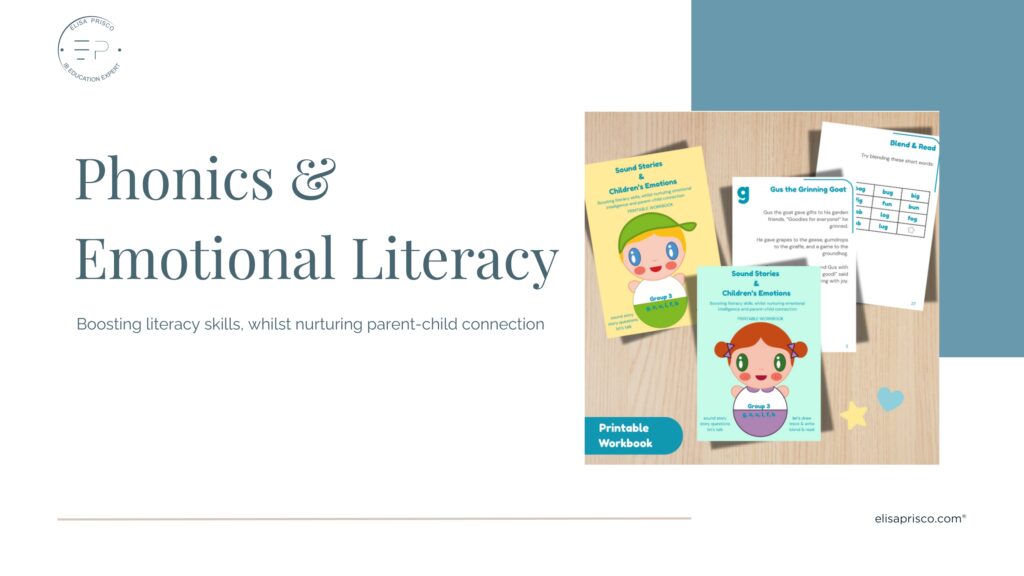
Phonics & Emotional Literacy: Sound Stories to Read, Talk and Grow Together
Learning to read is one of the most significant milestones in a child’s early years. But literacy development is never just a cognitive process; it is also an emotional one. The confidence to attempt an unfamiliar word, the willingness to try again after a…